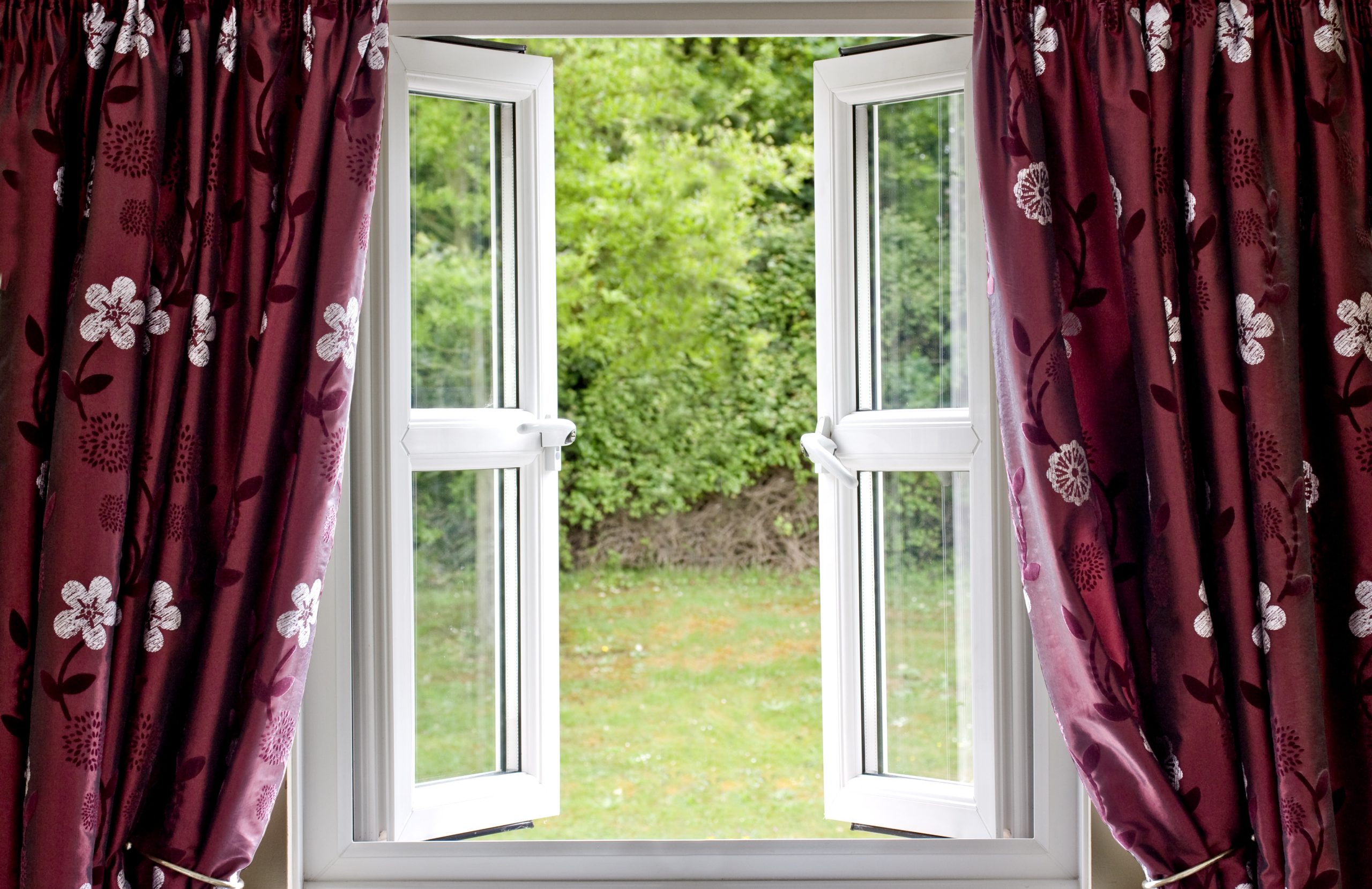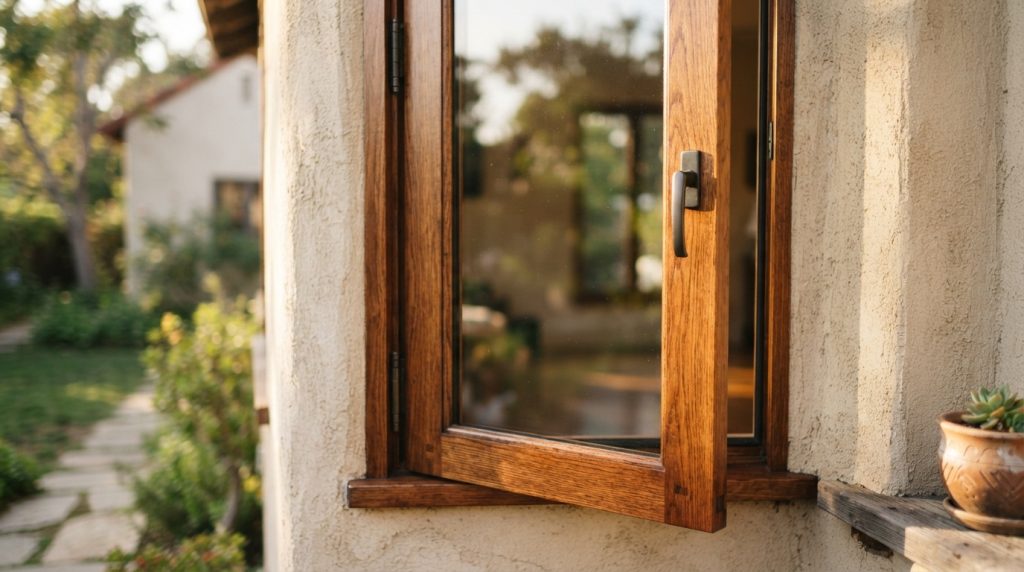
Wood windows are frames and sashes built from solid or engineered timber, valued for their insulating properties, classic appearance, and ability to be custom-finished to match a home’s architecture. They remain a common choice for homeowners who prioritize long-term durability and a traditional aesthetic over the lowest upfront price.
Choosing Wood Windows involves comparing wood species, finish options, and glazing technology, since each factor affects both appearance and long-term performance. Custom configurations, including sliding, casement, and fixed-picture styles, allow the material to fit a range of architectural periods common throughout the Bay Area.
Types of Wood Window Styles and Finishes
Wood window systems vary by species, construction method, and operating style, which together determine cost, insulation value, and maintenance needs.
- Solid wood frames : Built entirely from one wood species, offering strong insulation and a uniform grain appearance throughout the frame.
- Wood-clad frames : Combine a wood interior with a weather-resistant exterior layer, which can reduce exterior upkeep while keeping a natural wood look indoors.
- Thermally broken wood sliding windows : Designed with an insulating barrier within the frame to limit heat transfer between indoor and outdoor air.
- Custom species and finish options : Available in different wood species, stains, and paint finishes to match a property’s existing trim or architectural style.
Design consultations can help determine which species and configuration suit a specific home’s exposure and style before fabrication begins.
Benefits and Trade-Offs Compared to Other Frame Materials
Wood frames perform differently from vinyl, aluminum, or fiberglass in terms of insulation, cost, and upkeep. Reviewing these differences helps clarify what to expect over a window’s service life.
|
Factor |
Wood Windows |
Vinyl Windows |
|
Typical Lifespan |
30 years or more with proper maintenance |
15 to 20 years |
|
Maintenance Need |
Regular repainting and sealing every few years |
Minimal; occasional cleaning |
|
Insulation |
Naturally insulating material |
Good, varies by frame design |
|
Upfront Cost |
Generally higher |
Generally lower |
According to This Old House, wood windows typically last 30 years or more with proper maintenance, compared to 15 to 20 years for vinyl windows. That longer service life can offset the higher initial investment for homeowners planning to stay in a property for decades, though ongoing maintenance costs for wood windows, including periodic painting and sealing, should factor into the comparison since vinyl requires minimal maintenance beyond routine cleaning.
Energy performance is another consideration. Low-E glazing and factory-installed glass coatings can be added to wood frames to reduce heat transfer without altering the material’s visual warmth, which is particularly relevant for the mild but increasingly warm summers recorded across San Jose, CA.
Maintenance and Care Practices
Wood expands and contracts with humidity and temperature changes, so consistent care protects both appearance and structural integrity.
1. Inspect seals and caulking annually , especially before the rainy season, to catch gaps that allow moisture intrusion.
2. Repaint or restain every few years depending on sun and weather exposure; south- and west-facing windows typically need more frequent attention.
3. Clean frames with mild soap and water rather than harsh chemical cleaners that can strip protective finishes.
4. Lubricate hardware and tracks, particularly on sliding configurations, to keep operation smooth and prevent strain on joints.
5. Address peeling paint or soft wood promptly, since delayed repairs allow moisture to spread and compromise the frame.
Homeowners ordering custom wood units typically begin with a sizing and project detail submission, after which a quote is prepared for review before fabrication starts.
Frequently Asked Questions
Do wood windows cost more than other materials? Wood frames generally carry a higher upfront price than vinyl or aluminum, reflecting material and craftsmanship costs, though their extended lifespan can balance that difference over time.
Can wood windows be customized for older or architecturally distinct homes? Custom sizing, wood species, and finish selection allow wood windows to match a range of architectural styles, including older properties with nonstandard window openings.
Is energy-efficient glazing available for wood windows? Low-E glass and thermally broken sliding designs are available options that improve insulation while retaining a traditional wood frame appearance.
How often should wood windows be repainted or sealed? Most manufacturers recommend repainting or resealing every few years, with frequency depending on sun exposure, moisture levels, and the quality of the original finish.
Based in USA, Portella’s steel and wood window manufacturing supports custom orders for homeowners across San Jose, CA, without maintaining a local office or showroom in that service area.
Current product and consultation details for Portella’s Steel Doors and Windows are published for review by homeowners comparing custom window materials.

Abel Abboud
Abel Abboud, a seasoned wordsmith, specializes in weaving narratives that breathe life into the world of Home Improvement. Armed with a keen eye for detail and a passion for transformative spaces, Abel has become a recognized voice in the industry.
His writing is a vibrant tapestry of inspiration and practicality, where each word contributes to the symphony of creating beautiful, functional homes. Abel's exploration of Home Improvement isn't just about trends; it's a journey into the heart of design innovation, sustainability, and the art of hands-on projects.
Abel Abboud's articles serve as a compass for those navigating the diverse realms of interior and exterior enhancements. From unraveling the secrets of contemporary designs to demystifying the latest technologies, Abel brings forth a dynamic narrative that captivates and educates.
In the ever-evolving landscape of Home Improvement, Abel's commitment to delivering fresh, relevant, and insightful content shines through. His prose reflects not just expertise, but a genuine desire to empower readers, helping them turn their living spaces into personalized havens.
Guided by a belief that home transformation is an art, Abel Abboud invites readers into a world where creativity meets practicality. Through his distinct voice and thoughtful exploration, Abel inspires a sense of possibility and excitement, making the Home Improvement journey an engaging adventure for all who embark on it.
Related
The benefits homeowners gain from durable exterior doors in San Diego CA
Experience Warmth And Beauty With Expertly Crafted Wood Windows in San Jose CA Solutions